 Marcus Bell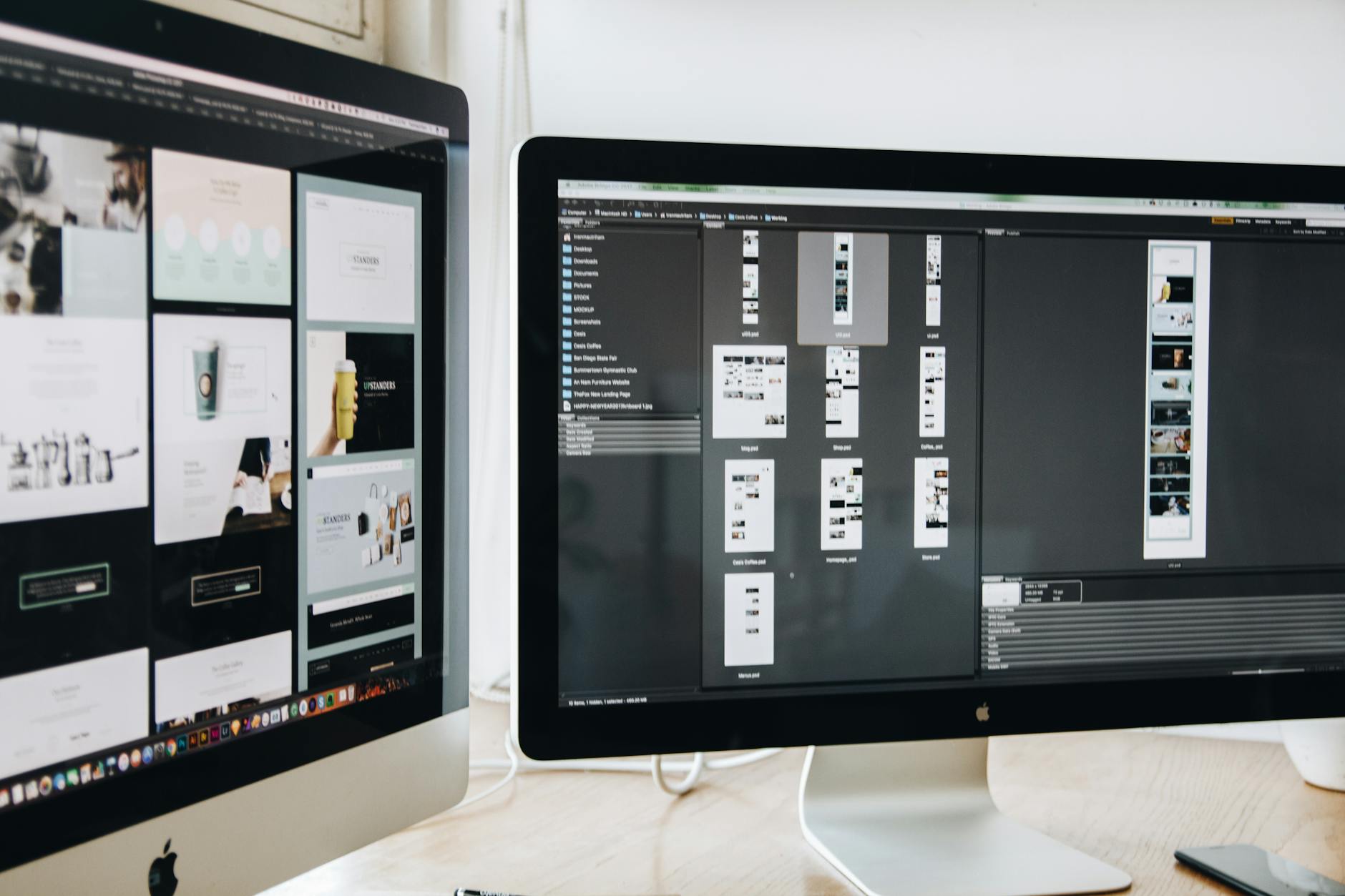
Every editor on this magazine works the same way: research on the left, draft on the right, chat buried somewhere underneath. So we formalized it — a second monitor for every desk — and measured what happened over four weeks.
The headline number: layout and photo passes finished about a fifth faster, because nobody kept minimizing and maximizing the same three windows. The quieter number matters more — fewer of those small derailing moments where you lose your place and your train of thought with it.
What to buy
Match size and height to the screen you already own. A mismatched pair forces your neck to referee between two horizons all day, which defeats the purpose. One cable per screen, a twenty-dollar riser, and you are done.
The best upgrade is the one that disappears — you stop noticing the desk and start noticing the work.
How to arrange it
Put the task you are producing on your dominant side and reference material on the other. Email gets no permanent home; check it in batches or it will colonize the second screen within a week.
Total cost per desk came in under a mid-range phone. Total return: a calmer newsroom and a Friday that ends on time. We call that paid for.

